Beyond the Blueprint: Nurturing Creative Flow in Theatre Production
Discover how theatre practitioners can maintain their artistic vision and creative spark amidst production complexities. Learn strategies to foster a dynamic, collaborative environment.
· By CueCall Team
Topics: theatre production, creative process, artistic vision, stage management, directing, theatre challenges, collaboration, production workflow
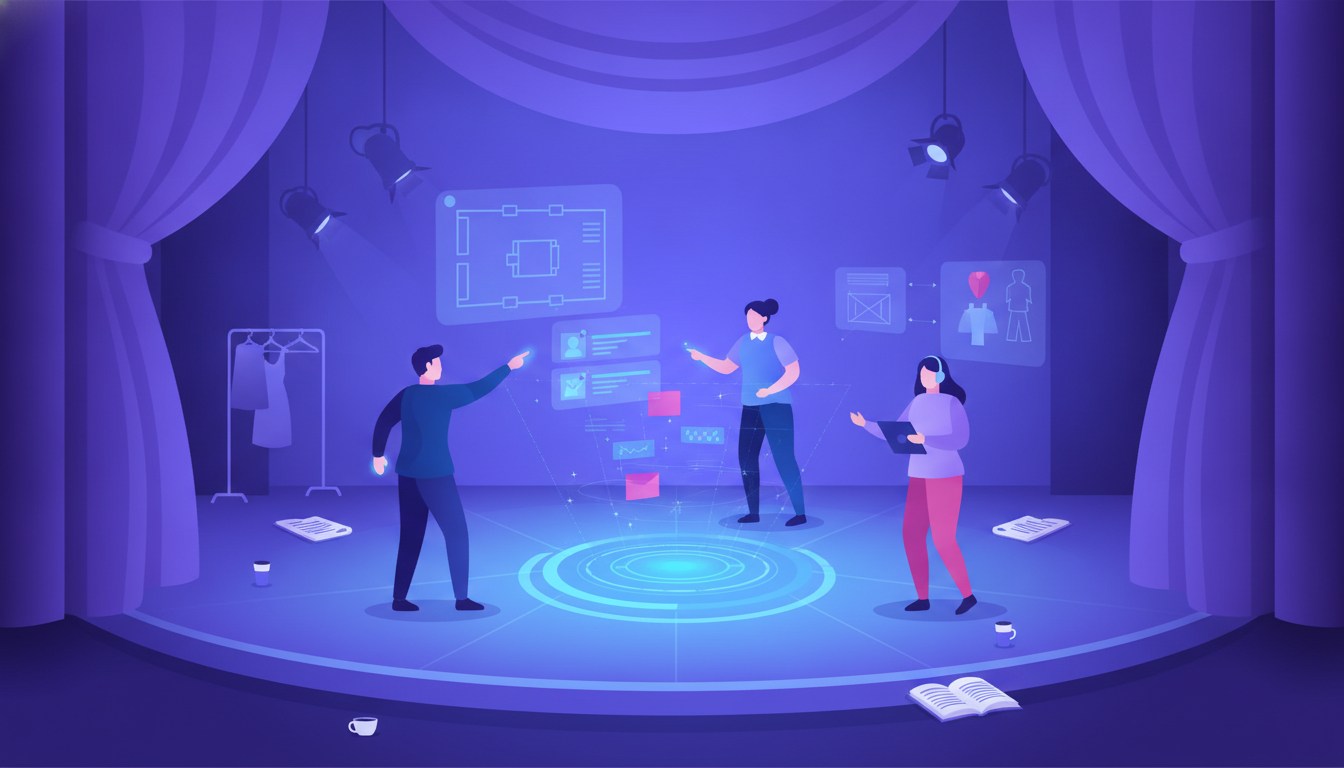
In the magical world of theatre, where dreams take tangible form and stories leap to life, there's an often-unseen force that can either elevate a production to new heights or, conversely, drag it down. It's the delicate balance between the grand artistic vision and the intricate logistical realities. As directors, stage managers, producers, and designers, you pour your heart into creating something extraordinary. But how often do the relentless demands of scheduling, budgeting, communication breakdowns, and unforeseen snags threaten to extinguish that creative spark? The challenge isn't just about getting the show on stage; it's about maintaining creative flow in theatre production from inception to curtain call, ensuring that the art doesn't get lost in the administrative shuffle.
You started in theatre for the passion, the storytelling, the electric moment when an audience connects with a performance. But somewhere along the line, the joyous anticipation of bringing a script to life can morph into a gauntlet of administrative tasks, endless emails, and frantic phone calls. This post is for you – for every theatre practitioner who has felt the creative energy drain away under the weight of production complexities. We’ll explore why preserving that creative flow is paramount, and practical strategies you can implement to keep the artistic pulse beating strong, even when the production gears are grinding.
The Artistic Gauntlet: When Logistical Hurdles Overshadow Creative Vision
You know the feeling. You've just had a breakthrough moment in rehearsal – a scene finally clicks, an actor finds a new depth, a design concept perfectly encapsulates the mood. The room is buzzing with creative energy. Then, your phone buzzes. It's an urgent email about a conflicting rehearsal space, a prop that's gone missing, or a costume fitting schedule that needs a complete overhaul. Suddenly, the artistic high gives way to a familiar knot of stress, and your focus shifts from the magic of the moment to the mundane realities of problem-solving.
For directors, this often means diverting precious time from character development and scenic blocking to mediating scheduling disputes or chasing down budget approvals. For stage managers, the role of artistic collaborator can quickly be eclipsed by that of chief problem-solver, firefighter, and administrative wizard, often leaving little room to truly engage with the artistic process beyond ensuring its smooth operation. Producers might find themselves so bogged down in funding and marketing that they lose touch with the evolving artistic heart of the show. And designers – from set to lights to sound to costumes – can see their innovative ideas diluted by budget constraints, technical limitations, or a simple lack of clear communication from the outset.
Consider tech week: a crucible of creativity and stress. It's where all the disparate elements finally converge. But if the groundwork – the scheduling, the communication, the asset tracking – hasn't been meticulously managed, tech week can devolve into a chaotic scramble. Instead of refining light cues and polishing transitions, you're debugging software, hunting for missing props, or trying to understand why a key piece of scenery isn't fitting correctly. In these moments, the creative energy that should be reaching its crescendo is instead being expended on triage, leaving everyone exhausted and the artistic vision potentially compromised.
The Unseen Cost: Why Preserving Creative Flow Isn't a Luxury, It's a Necessity
When creative flow is stifled, the impact extends far beyond individual stress. It permeates the entire production, affecting morale, artistic integrity, and ultimately, the audience experience. A production where the team is constantly battling logistical fires is less likely to produce a cohesive, inspired piece of theatre.
- Dilution of Artistic Vision: When decision-makers are perpetually overwhelmed by logistics, creative choices can become reactive and conservative rather than bold and innovative. You might settle for safer, less ambitious choices because the energy needed for innovation is constantly diverted. The theatre world thrives on daring, on pushing boundaries, but that takes mental space and creative freedom that logistical bottlenecks often steal.
- Impact on Team Morale and Collaboration: When everyone is stressed and overworked, tensions rise. Collaboration, which is the heart of theatre, suffers. Trust erodes when communication is haphazard, leading to a fragmented team rather than a cohesive unit working towards a shared artistic goal. Imagine a tech director frustrated by last-minute changes because the stage manager was too swamped to update the plans earlier, or a costume designer unable to get critical measurements because rehearsal schedules are in constant flux.
- Increased Burnout and Turnover: The demanding nature of theatre is well-known, but persistent administrative chaos pushes dedicated professionals to their breaking point. You entered this field because you love it, but constant pressure from solvable problems can chip away at that love. Burnout isn't just a personal issue; it leads to valuable talent leaving the industry, impacting future productions, institutional memory, and the overall health of the theatrical ecosystem.
- Compromised Quality and Audience Experience: Ultimately, the audience feels it. A production rushed due to internal chaos, or one where creative choices were made out of expediency rather than inspiration, lacks the polish and profound impact it could have had. This can damage a company's reputation and dampen audience enthusiasm for future shows. When your focus is on fixing problems rather than perfecting performances, the final product inevitably suffers.
- Lost Opportunities for Innovation: Imagine the groundbreaking ideas that never see the light of day because the team is too busy chasing down a misplaced prop list or recalculating a budget for the fifth time. True innovation requires space for experimentation, reflection, and focused artistic development, all of which are eroded by constant firefighting. When you're constantly reacting, you have no time to proactively dream and create.
So, how do we break this cycle? How do we safeguard that precious creative energy and channel it back into the art itself? The answer lies in transforming how we approach the administrative and logistical backbone of theatre production – not as an afterthought, but as an integral, supportive structure that liberates, rather than restricts, your artistic vision.
The Solution: Reclaiming Your Creative Headspace Through Strategic Management
The good news is that you don't have to choose between artistic integrity and logistical efficiency. In fact, a well-managed production is often the most creatively vibrant one. By embracing strategic management principles and leveraging the right tools, you can transform your workflow from reactive chaos to proactive harmony, allowing your team to focus on what they do best: creating breathtaking theatre.
Building a Foundation of Clarity and Communication
The cornerstone of a smooth production is clear communication and a shared understanding of processes. This isn't about stifling spontaneity, but about creating a reliable framework within which creativity can flourish.
- Standardized Workflows: Define clear, repeatable processes for common tasks.
- For Directors: Establish a clear process for scene blocking notes, communicating changes to the stage manager, and tracking rehearsal progress.
- For Stage Managers: Create templates for rehearsal reports, prop lists, costume fitting schedules, and tech cues. Know exactly when and how information needs to be disseminated.
- For Designers: Implement a consistent system for submitting design proposals, tracking budget approvals, and communicating technical specifications to the production team.
- For Producers: Streamline processes for contract management, budget tracking, and marketing approvals, ensuring all stakeholders are aware of timelines and responsibilities.
This reduces guesswork and ensures everyone knows their role and how to execute it efficiently.
- Centralized Information Hubs: Tired of hunting through emails, shared drives, and disparate notes? Create one single source of truth for all production documents.
- Digital Scripts with Annotations: Keep all script versions, blocking notes, and director's insights in one accessible place.
- Master Production Schedule: A single, live calendar for rehearsals, fittings, tech calls, meetings, and performances, accessible to everyone with appropriate permissions.
- Asset Libraries: Digital repositories for prop photos, costume sketches, set renderings, sound files, and lighting plots.
- Contact Directories: An up-to-date list of cast, crew, designers, vendors, and emergency contacts.
When everyone knows exactly where to find the latest information, countless hours are saved, and errors due to outdated documents are eliminated.
- Proactive Communication Strategies: Don't wait for problems to arise. Implement systems for regular, structured communication.
- Scheduled Check-ins: Brief, regular meetings (daily, weekly) with department heads to anticipate issues and share updates.
- Transparent Update Systems: Use shared digital platforms where changes to schedules, props, or scenes are logged and automatically notify relevant parties.
- Clear Feedback Channels: Ensure designers, directors, and stage managers have defined methods for giving and receiving feedback, reducing misinterpretations.
By preventing communication breakdowns, you foster an environment of trust and efficiency, freeing up mental energy that would otherwise be spent chasing information.
Empowering Your Team with the Right Tools
In today's digital age, you don't have to manage a production with spreadsheets and corkboards. Modern cloud-based platforms offer powerful features designed specifically for the complexities of theatre.
- Integrated Scheduling & Calendaring: Move beyond static printouts. A dynamic, cloud-based scheduling tool allows for instant updates, conflict resolution, and automatic notifications. Imagine easily re-slotting a rehearsal and having everyone's calendars update automatically, significantly reducing the "schedule shuffle" stress.
- Detailed Inventory and Asset Tracking: No more missing props or forgotten costume pieces. A digital inventory system lets you log every item, track its location, assigned role, and condition, from rehearsal to strike. This is invaluable during tech week when items are constantly moving and needed.
- Dynamic Cue Sheets & Scene Management: For stage managers, moving from paper cue sheets to a digital system can be transformative. Link cues directly to scene changes, track blocking, and easily make adjustments, ensuring everyone is working from the most current version. Directors can track scene progress, blocking notes, and character arcs in an organized, visual way.
- Role-Based Dashboards & Access: Not everyone needs to see everything all the time. A system that offers customized dashboards means a director sees their blocking notes and rehearsal schedule, while a costume designer sees their fitting appointments and inventory. This reduces information overload and ensures everyone focuses on what's critical to their role.
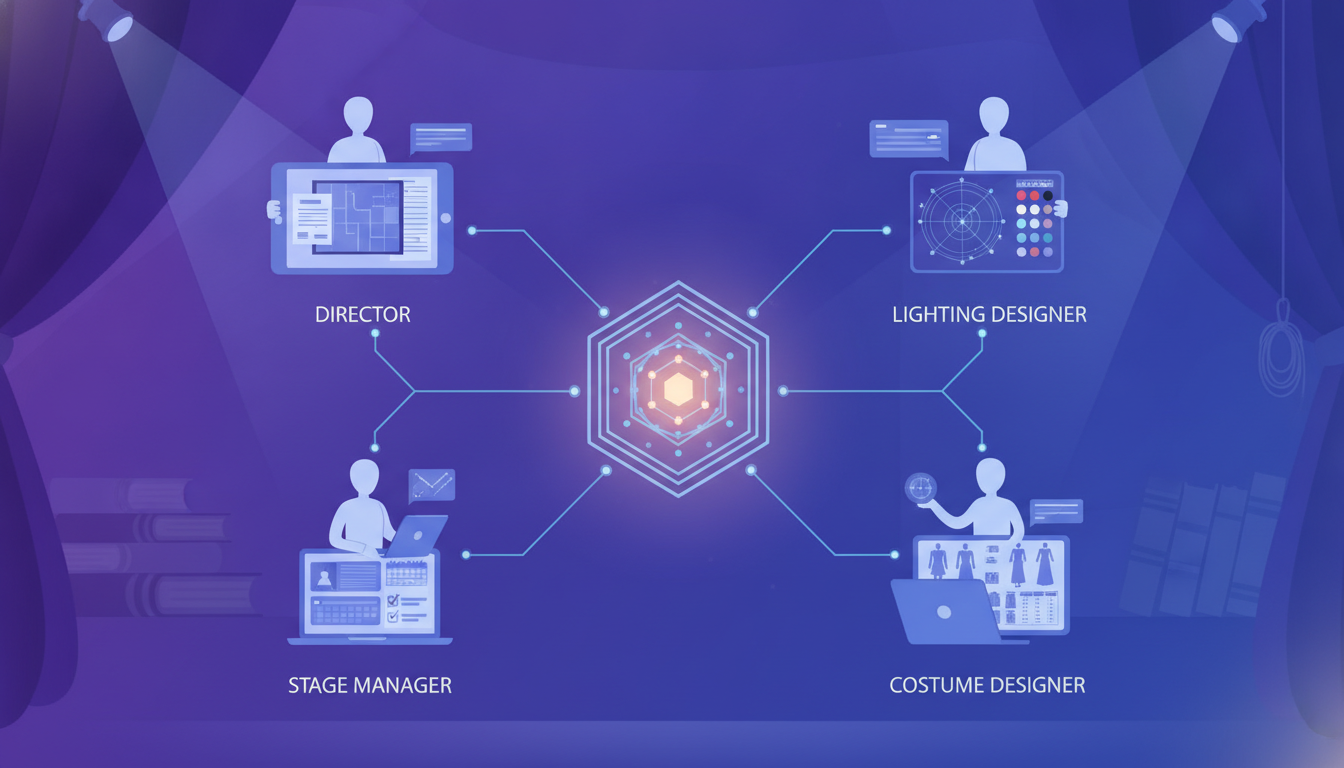
By automating the mundane and centralizing crucial information, these tools free your most valuable asset: your team's creative brainpower. Instead of managing spreadsheets, your stage manager can focus on supporting the actors. Instead of hunting for props, your director can fine-tune a crucial scene.
Actionable Steps to Cultivate Creative Flow
Shifting your production management isn't an overnight process, but even small, intentional steps can yield significant results. Here's how you can start reclaiming your creative energy:
Start Small: Identify Your Biggest Pain Points
Don't try to overhaul everything at once. What's the one administrative task that consistently drains your creative energy or causes the most friction?
- For Directors: Is it tracking scene changes and blocking across multiple script versions?
- For Stage Managers: Is it writing and distributing daily rehearsal reports, or managing prop lists?
- For Designers: Is it getting timely approvals or tracking budget expenditures?
- For Producers: Is it coordinating schedules across multiple departments?
Pick one area and focus on finding a better system for it. Even a small victory can build momentum for larger changes.
Foster a Culture of Communication and Transparency
Encourage an open environment where problems are identified early and information flows freely. This requires intentional effort from leadership.
- Lead by Example: As a director or producer, commit to using the new systems and encouraging your team to do the same.
- Regular Feedback Loops: Create opportunities for team members to provide feedback on current workflows and suggest improvements without fear.
- Pre-Production Communication Plan: Before rehearsals even begin, establish how different departments will communicate, what tools they'll use, and who is responsible for what information.
Embrace Technology as an Ally, Not a Burden
Many theatre practitioners are wary of new technology, fearing it will add another layer of complexity. But when chosen wisely, technology can simplify, automate, and centralize.
- Pilot Programs: Introduce a new tool to a small team or for a specific task first. Get their feedback before rolling it out company-wide.
- Invest in Training: Don't just implement a new system; provide clear, accessible training so your team feels confident and supported in using it.
- Choose Integrated Solutions: Look for platforms that offer multiple features (scheduling, inventory, cue sheets, etc.) in one place to avoid having disparate tools that don't talk to each other.

Schedule Dedicated Creative Time
Once you've streamlined your administrative load, protect the time you've gained. Consciously schedule blocks of time for purely creative work, free from logistical distractions.
- For Directors: Block out time for script analysis, character work, or conceptual development, away from rehearsal schedules and production meetings.
- For Stage Managers: Carve out moments to observe and analyze scenes for cue opportunities, rather than just taking blocking notes.
- For Designers: Dedicate time for pure ideation, sketching, or research without budget spreadsheets looming over you.
This commitment to creative time reinforces the message that the art is, indeed, the priority, and that the operational efficiencies are there to serve it.
Bringing It All Together: A Unified Approach for Inspired Productions
Maintaining creative flow in theatre production isn't about eliminating challenges – challenges are inherent to the magic of live performance. It's about building a robust, intelligent framework that anticipates and mitigates those challenges, allowing your team to spend less time battling logistics and more time bringing incredible stories to life. It's about empowering every member of your production team to contribute their best, most artistic work.
Imagine a tech week where light cues are refined with precision because the stage manager isn't simultaneously tracking down a missing prop. Picture a dress rehearsal where the director can focus entirely on the emotional arc of a scene, knowing that the costume changes are flawlessly coordinated thanks to clear inventory and schedule management. Envision a production where every role, from the artistic director to the newest intern, feels supported, informed, and valued, all working from a clear, unified vision.
This vision is entirely achievable. While there are many ways to approach production management, adopting an integrated platform can dramatically simplify this journey. Tools like CueCall are designed to be that central nervous system for your production, offering features like scene management, inventory tracking, scheduling, cue sheets, and role-based dashboards – all crafted to reduce administrative burdens and free up your creative energy. By centralizing information and streamlining workflows, CueCall can help transform your production process, allowing you and your team to focus on the storytelling, the performance, and the sheer joy of creating theatre.
Ultimately, when the administrative scaffolding is strong, the artistic edifice can soar. By investing in smarter management and communication, you’re not just making your life easier; you’re investing in the quality of your art, the well-being of your team, and the lasting impact of your theatre on its audience. Choose to protect your creative flow, and watch your productions reach new, unimagined heights.