Orchestrating Harmony: Streamlining Theatre Production for Artistic Excellence
Tired of production chaos? Discover how a holistic approach to theatre production management can streamline workflows, reduce stress, and free your team to focus on artistic excellence.
· By CueCall Team
Topics: theatre production, stage management, theatre director, production manager, arts administration, workflow optimization, creative process, collaboration tools
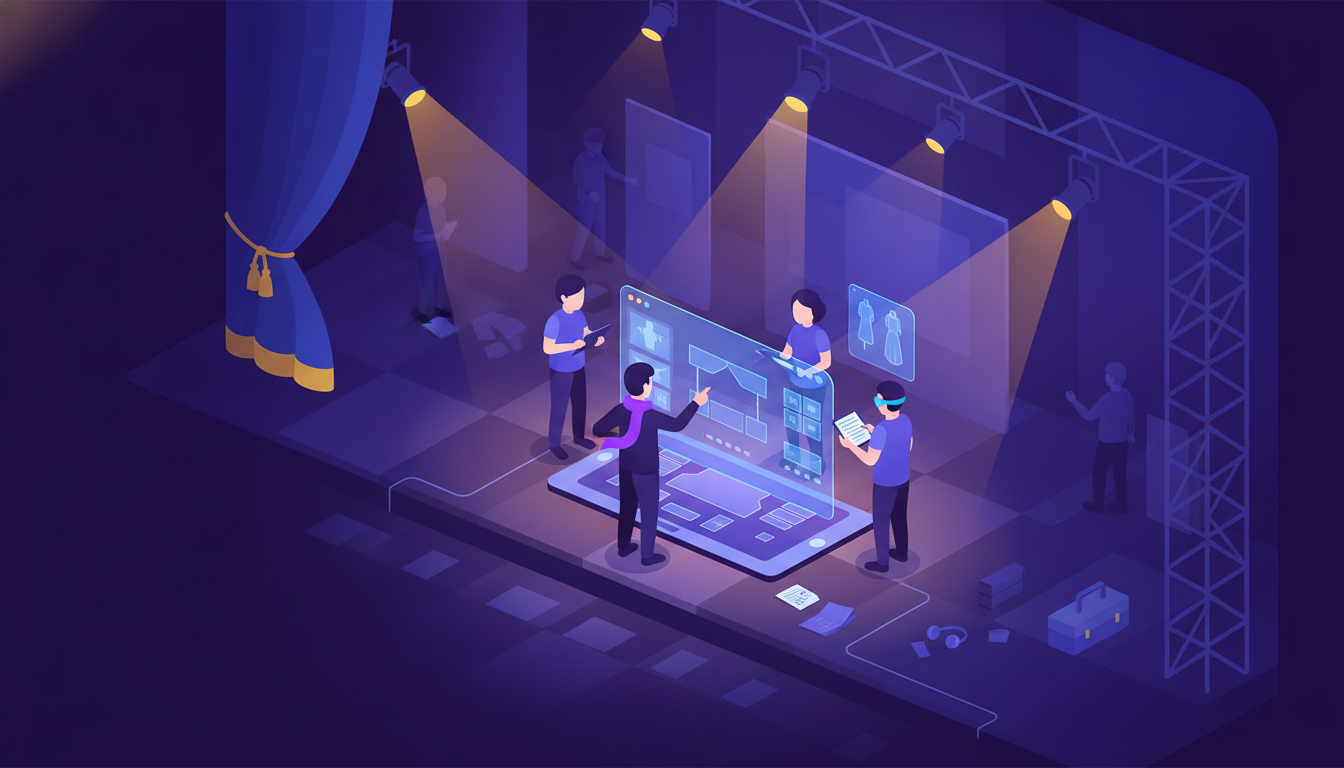
There's a magical alchemy to theatre production. The spark of an idea, the collaborative spirit, the electrifying moment when lights hit the stage and a story comes to life. For many of us, this is why we dedicate our lives to the craft. But let's be honest: beneath the glitter and the applause, there's often a frantic dance with spreadsheets, scattered notes, endless email threads, and the nagging feeling that something crucial might just slip through the cracks. The true art of streamlining theatre production often feels like an elusive dream, buried under an avalanche of administrative tasks.
You, the director with a grand vision, find your artistic focus fractured by logistical puzzles. You, the stage manager, tirelessly compile notes, only to see them misinterpreted or lost in translation. You, the producer, watch budget lines creep up due to preventable miscommunications. You, the designer, spend precious hours hunting for the latest blocking notes instead of refining your aesthetic masterpiece. Every role, from the seasoned veteran to the eager intern, feels the weight of disjointed information and fragmented workflows. This isn’t just an inconvenience; it’s a systemic challenge that saps energy, creativity, and the joy from the very process we cherish.
Why It Matters: The Unseen Costs of Fragmentation
The impact of a fragmented production process extends far beyond minor annoyances. Think about those moments – those all-too-familiar scenarios that make your heart sink:
- The Late Night Panic: It's 11 PM during tech week. A crucial prop isn't where it should be. The stage manager is scrambling, calling assistant stage managers, checking old emails, trying to figure out who was supposed to move it, and where it went. This isn't just about a prop; it’s about a team member losing precious sleep, and the next day starting with a deficit.
- The Budget Drain: You order a custom-built set piece, only for a last-minute design change to render it unsuitable. Why wasn't that change communicated earlier? Because the updated design file was on a shared drive no one remembered to check, or the email got buried, or the conversation happened verbally in a hallway and never made it into an official update. Now you're facing rush charges, material waste, and an unexpected budget hit.
- The Artistic Compromise: A lighting designer spends days programming intricate cues based on an earlier blocking draft. Come dress rehearsal, the director has subtly shifted an actor's path, requiring a complete re-program of a complex sequence. This isn't a failure of vision; it's a failure of real-time information sharing, forcing artistic compromises under pressure or leading to exhausted technicians.
- Burnout and Turnover: Consistently working in an environment where essential information is hard to find, where communications are muddled, and where re-work is common leads to stress, frustration, and ultimately, burnout. Talented individuals, passionate about theatre, leave the industry not because they don't love the art, but because the process itself becomes unsustainable.
These aren't isolated incidents; they're symptoms of a larger issue: the lack of a cohesive, accessible, and dynamic central nervous system for your production. When every department operates in its own silo, relying on a patchwork of tools and informal communication, the entire structure becomes fragile. You might be building incredible worlds on stage, but if the foundation of your process is crumbling, the strain will eventually show.
The Vision: Your Production as a Unified Ecosystem
Imagine a different scenario. Picture a world where:
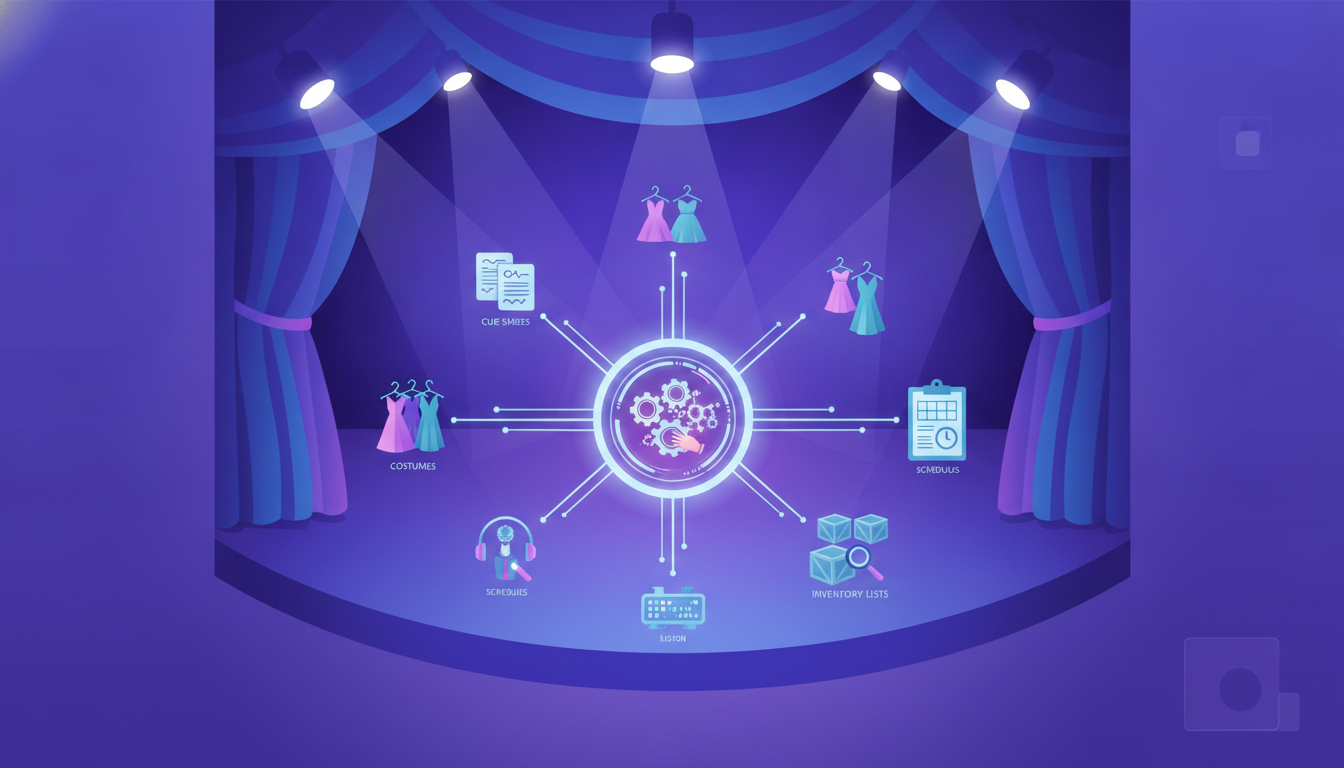
- Every piece of information lives in one secure, accessible place. From the initial script breakdown to the final strike notes, everything is organized, searchable, and always up-to-date.
- Communication is instantaneous and targeted. You can share an urgent update with the specific team members who need it, without flooding everyone's inboxes. Discussions are threaded, decisions are logged, and everyone knows where to find the latest conversation.
- Changes are reflected in real-time. A blocking adjustment updates the cue sheet automatically. A costume change immediately notifies the wardrobe department and the actor. The impact of every decision propagates through the system, giving everyone a clear picture.
- Role-based dashboards provide clarity, not clutter. The director sees their schedule, casting notes, and creative vision board. The stage manager has their cue sheets, attendance logs, and prop lists. The costume designer sees fittings, measurements, and laundry schedules. Everyone has precisely what they need, customized to their role, without sifting through irrelevant data.
- Forecasting and problem-solving become proactive, not reactive. With a clear overview of all moving parts, potential conflicts – be it scheduling, inventory, or technical requirements – become visible well in advance, allowing you to address them before they escalate into crises.
This isn't just about efficiency; it's about empowering your team. It’s about freeing up mental bandwidth currently consumed by administrative overhead, allowing everyone to invest their energy where it truly matters: the creative work, the collaborative problem-solving, and the meticulous execution that defines exceptional theatre.
Practical Pathways to Harmony: Strategies for a Smoother Production
Achieving this unified vision doesn't happen overnight, but it is entirely within reach. It requires a shift in mindset and a commitment to adopting more integrated processes. Here are some practical strategies to guide your team:
1. Standardize Your Communication Channels
- Define the 'Source of Truth': Decide where official decisions, schedules, and important announcements will live. Is it a dedicated project management platform? A specific shared document? Make it clear and consistently enforce its use.
- Streamline Discussions: Encourage threaded conversations within a platform rather than fragmented email chains or multiple chat apps. This keeps context together and makes it easier to track decisions.
- Regular, Focused Check-ins: While digital tools are invaluable, don’t neglect the power of structured, efficient in-person or video meetings. Use digital tools to prepare agendas and distribute notes immediately afterwards, linking back to your central system.
2. Centralize All Production Information
- One Hub for Everything: Move away from disparate spreadsheets, Word documents, PDFs, and whiteboard photos. Consolidate scripts, blocking notes, prop lists, costume plots, sound cues, lighting plots, contact lists, and rehearsal schedules into a single, easily searchable repository.
- Version Control is Key: Ensure that any system you use automatically tracks changes and maintains version history. Nothing is more frustrating than working off an outdated document.
- Digital Asset Management: For designers, having a centralized place for mood boards, fabric samples, CAD files, and technical drawings ensures everyone is looking at the latest approved assets.
3. Embrace Role-Based Access and Tailored Views
- Information Overload is Real: Not everyone needs to see every single detail of the production. A lighting operator doesn't need to know the costume budget breakdown, and an actor doesn't need the intricate details of the fly system.
- Personalized Dashboards: Look for solutions that allow you to customize what each team member sees based on their role and responsibilities. This reduces clutter, focuses attention, and makes information far more actionable.
- Permissions Control: Ensure that only authorized personnel can edit critical documents or make significant changes, preventing accidental deletions or unauthorized modifications.
4. Foster Proactive Problem Solving
- Early Warning Systems: When all information is centralized and interconnected, potential conflicts become visible much earlier. A schedule clash, a prop that's overdue, or a set piece that won't fit through a door can be flagged before it becomes an emergency.
- "What If" Scenarios: An integrated system allows for easier scenario planning. What if an actor gets sick? What if we lose a rehearsal space? You can quickly assess the ripple effects and adapt.
5. Cultivate a Culture of Clarity and Collaboration
- Transparency (Where Appropriate): Foster an environment where team members feel comfortable flagging issues, asking questions, and proposing solutions. A centralized system supports this by making information readily available for everyone to reference.
- Shared Ownership: Encourage your team to take ownership of keeping their sections of the central system updated. This isn't just the stage manager's job; it's a collective responsibility that benefits everyone.
- Feedback Loops: Establish clear processes for feedback and review within your system, ensuring that creative input and technical adjustments are systematically incorporated.

Implementing the Change: Actionable Steps for Your Team
Shifting from old habits to new, streamlined processes takes effort, but the long-term gains are immeasurable. Here’s how you can begin this transformation:
- Start Small, Think Big: You don’t need to overhaul everything at once. Identify one major pain point – perhaps prop tracking, or the distribution of daily rehearsal notes – and pilot a new, more integrated approach for that specific area.
- Involve Your Team: Don't impose new tools or processes from the top down. Gather input from your stage managers, designers, directors, and crew. What are their biggest frustrations? What would make their jobs easier? Their buy-in is critical for success.
- Provide Training and Support: Any new system, no matter how intuitive, requires an initial investment in training. Offer workshops, create quick-start guides, and designate champions within your team who can assist others.
- Iterate and Refine: The first iteration might not be perfect. Be open to feedback, observe what’s working and what’s not, and be prepared to adjust your processes and tool usage. Theatre is dynamic, and so should your management system be.
- Celebrate Successes: As your team experiences the benefits – less stress, more time for creativity, fewer last-minute crises – celebrate these wins. Acknowledging the positive impact reinforces the value of the new approach.
Unlocking Your Artistic Potential with a Holistic Approach
Imagine a production where the administrative burden is significantly reduced. Where every team member, from the director to the sound technician, has instant access to the precise information they need, when they need it. Imagine being able to focus on the nuanced storytelling, the innovative design, the captivating performances – without the constant nagging worry of missed communications or misplaced documents.
This isn’t just a fantasy. It's the tangible benefit of a holistic approach to theatre production management. By centralizing information, streamlining communication, and empowering your team with clarity, you unlock an incredible amount of creative energy that was previously consumed by chaos. You create an environment where collaboration flourishes, where problems are solved proactively, and where the artistic integrity of your vision remains paramount.
Tools exist to help you achieve this. If you’re looking to bring this level of integration and clarity to your productions, consider exploring platforms designed specifically for the unique demands of theatre. For example, CueCall offers a comprehensive, cloud-based solution that acts as your production’s central nervous system, providing scene management, inventory tracking, scheduling, cue sheets, role-based dashboards, costume slideshows, and even AI-powered tools to help you manage your show with unprecedented ease. It's designed to simplify the complex, allowing your team to spend less time managing logistics and more time making magic on stage. It's not just about efficiency; it's about reclaiming the joy and artistic freedom that drew you to theatre in the first place. What could you create if the weight of administrative overhead was lifted?